In today's dynamic marketplace, understanding what are the latest trends in educational toys is essential for global buyers. The demand for toys that promote learning is rising. Parents prioritize educational value alongside fun. This shift reflects a growing awareness of childhood development stages.
Recent trends indicate a clear shift toward technology-driven toys. Interactive learning tools are becoming popular. These include apps and smart devices that engage children. However, there is a growing concern about screen time. Balancing technology and tactile experiences in play is crucial.
Sustainability is another significant factor. Toys made from eco-friendly materials appeal to environmentally conscious consumers. Yet, challenges remain in ensuring the durability of these products. Global buyers must navigate these evolving preferences, reflecting a complex landscape in the educational toy sector.
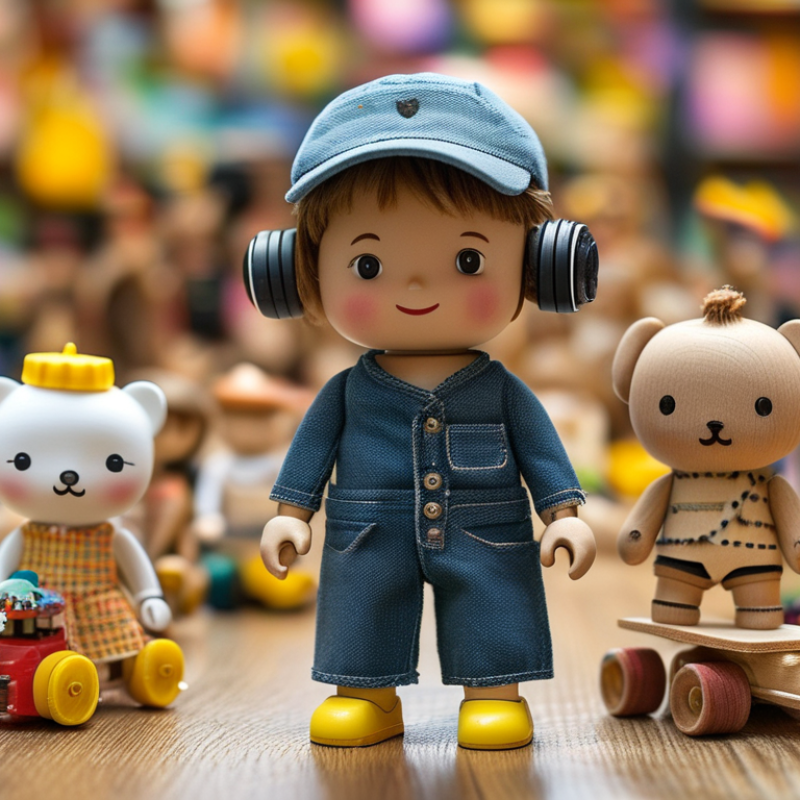
The landscape of educational toys is evolving rapidly. One significant trend is the introduction of eco-friendly materials. Buyers are increasingly concerned about sustainability. Recent studies show that 72% of parents prefer toys made from renewable resources. This shift indicates a growing awareness of environmental impacts.
Eco-friendly educational toys are often made from materials like bamboo, recycled plastics, and organic cotton. Such materials reduce the carbon footprint significantly compared to traditional plastic. Interestingly, a report from the Toy Association revealed that the market for sustainable toys is projected to grow by 20% within the next few years. This reflects consumers' changing preferences.
However, not all eco-friendly toys are created equal. Some manufacturers may market products as sustainable without proper certification. This inconsistency can lead to consumer confusion. Therefore, buyers should research and seek transparency in materials used. Reinforcing this, studies suggest that 45% of consumers are unsure about the sustainability claims of toy companies. Trust and reliable information are paramount in promoting genuine eco-friendly choices in educational toys.
The integration of technology in educational toys is transforming how children learn. Recent research shows that about 50% of parents prioritize educational value in toys. This demand leads to the creation of interactive learning tools that engage children. Devices such as tablets and smart toys are now common. These tools not only entertain but also teach skills like problem-solving and creativity.
Data from the Global Toy Industry Report indicates that the market for tech-enhanced educational toys will grow by 7% annually. Tablets with educational apps and coding toys stimulate critical thinking. However, some experts caution that technology cannot replace traditional play. Unstructured playtime is vital for social development. A balance must be struck between screen time and hands-on activities.
Moreover, parent involvement remains crucial. Research indicates that children learn better when adults guide them. Parents should choose toys that prompt active participation. Toys that adapt to a child’s learning style can greatly enhance educational outcomes. Still, reliance solely on tech tools can pose risks. Misuse or overuse can lead to diminished hands-on skills. Consequently, thoughtful integration of technology remains essential for fostering a well-rounded learning experience.
The rise of STEAM learning approaches has reshaped the landscape of educational toys. These toys now prioritize science, technology, engineering, arts, and mathematics, aiming to foster critical thinking and creativity. Many toys include circuitry, coding, or building sets that challenge children to explore new concepts hands-on. Parents and educators are increasingly seeking options that not only entertain but also educate.
While these toys are innovative, their effectiveness can vary widely. Some designs may be too complex, potentially discouraging a child's interest rather than sparking it. Others might lack sufficient guidance, leaving young learners confused. It's essential to find a balance between fun and educational value.
Engagement is key in STEAM education. Toys should encourage collaboration and exploration. Allowing children to build, test, and refine their projects fosters a growth mindset. Yet, continuous reflection on how these toys facilitate learning is crucial. Are children truly grasping concepts? Are they asking questions? These reflections drive improvement in educational toy design, ensuring they meet the evolving needs of young learners.
Cultural inclusivity is becoming a vital aspect of educational toys. Data from the Global Toy Industry Report shows a significant shift towards diverse representations in toys. Over 70% of parents believe that toys reflecting various cultures help instill respect and appreciation in children. This statistic highlights the growing demand for toys that represent a global spectrum of identities and experiences.
Educational toys must reflect various cultural backgrounds to support children's learning. For example, dolls portraying diverse races promote empathy and understanding. Studies indicate that children with access to culturally diverse toys show improved social skills. However, many products still fall short in authentic representation. Some toys perpetuate stereotypes rather than celebrate diversity.
Designers should strive for accuracy. Utilize resources that reflect diverse narratives and histories. Avoid sourcing materials that present a narrow view of cultures. Offer choices that resonate with children. This creates a more inclusive environment while promoting learning through play. Engaging parents in discussions about cultural representation can further enhance the development of these toys. By embracing inclusivity, manufacturers can better serve a global market and foster a generation of empathetic individuals.
| Category | Trend | Cultural Relevance | Age Group | Educational Focus |
|---|---|---|---|---|
| STEM Toys | Robotics Kits | Inclusive representation of various cultures in programming challenges | 8-14 years | Problem-solving, critical thinking |
| Art & Craft Kits | Eco-friendly materials | Promotes awareness of recycling and sustainability across cultures | 4-10 years | Creativity, environmental education |
| Board Games | Multilingual games | Incorporates folklore and stories from various cultures | 6+ years | Social skills, language development |
| Dolls & Action Figures | Diverse representation | Focus on inclusivity in play patterns and storylines | 3-8 years | Empathy, cultural understanding |
The landscape of children's toys is evolving rapidly. Safety standards and regulations play a crucial role in this transformation. Global buyers must be mindful of these standards when sourcing educational toys. Countries have specific regulations, often focused on ensuring materials used are safe and non-toxic. Compliance with these safety measures is not just a choice; it is essential for the well-being of children.
Manufacturers are increasingly using safer materials in their toy designs. There is a growing shift toward organic and sustainable resources. This change highlights a commitment to both child safety and environmental concerns. However, not all products claiming to be safe adhere to regulations. It’s vital for buyers to conduct thorough research and verify compliance certificates.
When choosing toys, look for certifications that confirm safety. Be cautious with products from regions with less stringent safety laws. Communication with suppliers can reveal important information about the safety standards their products meet. Educate yourself about the latest regulations in the regions you are targeting. Understanding these can help you make informed purchasing decisions that prioritize safety and quality.
: Common materials include bamboo, recycled plastics, and organic cotton. They help reduce the carbon footprint compared to traditional plastics.
Many parents prioritize sustainability. About 72% prefer toys made from renewable resources due to growing environmental awareness.
Not all are equal. Some may claim sustainability without proper certification, leading to confusion among consumers.
Buyers should research materials and seek transparency from manufacturers. Reliable information is essential for informed choices.
Toys reflecting various cultures help instill respect and appreciation in children, enhancing their learning and empathy.
Over 70% of parents believe diverse toys support respect and appreciation for different cultures among children.
Access to culturally diverse toys is linked to improved social skills, promoting empathy and understanding in children.
Many toys still perpetuate stereotypes instead of celebrating genuine diversity. Improvement is needed in authentic representation.
Designers should strive for accuracy and avoid narrow cultural views. It's vital to utilize diverse resources and narratives.
Engaging in discussions about cultural representation can guide manufacturers in creating more inclusive and educational toys.
In recent years, the educational toy market has witnessed significant shifts, shaped by emerging trends that cater to a global audience. A key focus has been on the emergence of eco-friendly materials, reflecting a growing demand for sustainable products. Moreover, what are the latest trends in educational toys also includes the integration of technology in learning tools, enhancing interactivity and engagement for children.
Additionally, there is a noticeable emphasis on STEAM (Science, Technology, Engineering, Arts, and Mathematics) learning approaches in toy design, promoting critical thinking and creativity. Cultural inclusivity and diversity have become vital considerations, ensuring that toys reflect varied backgrounds and experiences. Lastly, the industry is adapting to updated safety standards and regulations, prioritizing the well-being of children while fostering an enriching play environment. These trends signify a broader commitment to not just entertain, but also educate young minds effectively.
Osfor Toy